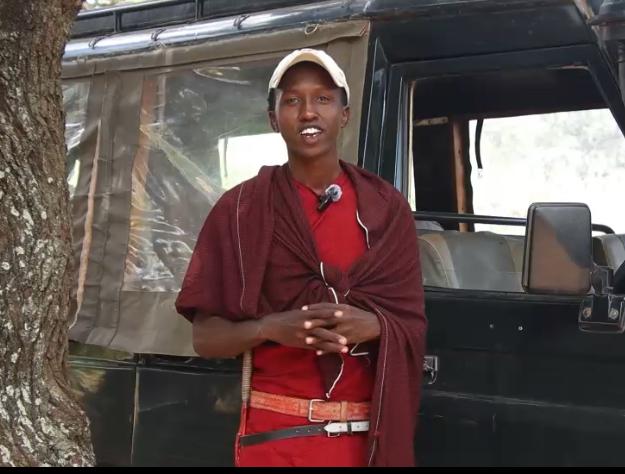
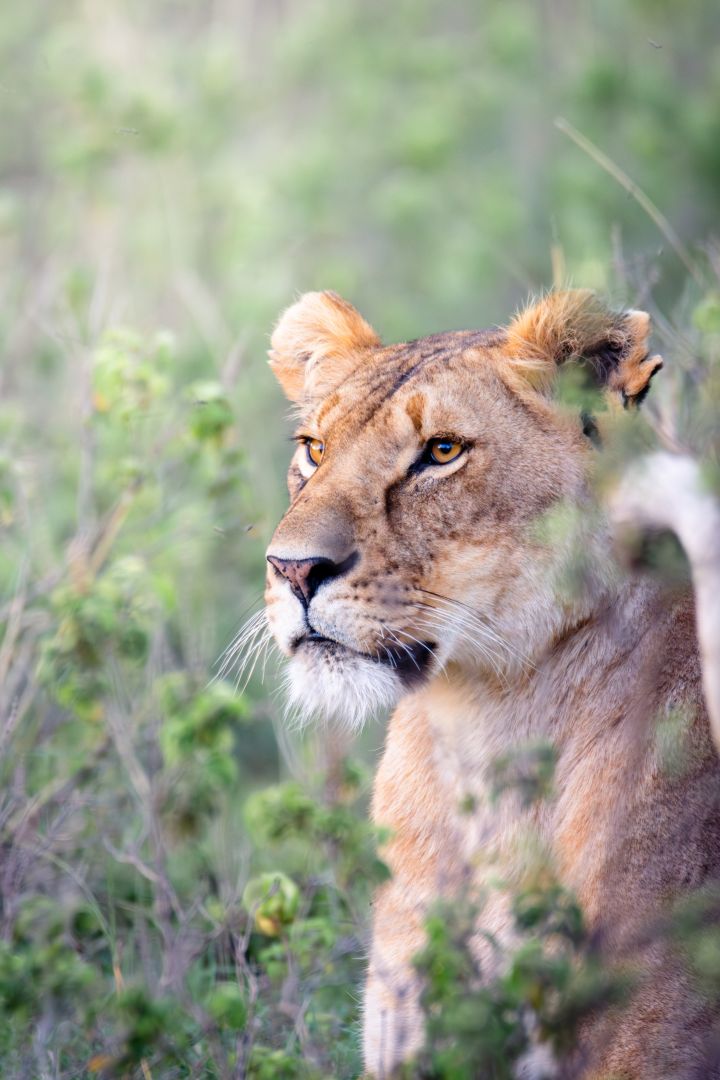
The term "Big Five" was coined by colonial hunters who considered lion, leopard, elephant, Cape buffalo, and rhinoceros the most dangerous animals to hunt on foot. Today the phrase belongs to wildlife photographers and safari-goers — and ticking all five in a single Kenya safari is one of the greatest wildlife achievements a traveller can have. As a guide who grew up in the Maasai Mara, I want to give you real, honest tips on how to find each one.
"The bush rewards patience and silence above everything. The animal is always there — the question is whether you are still enough to let it reveal itself."
1 Lion — King of the Mara
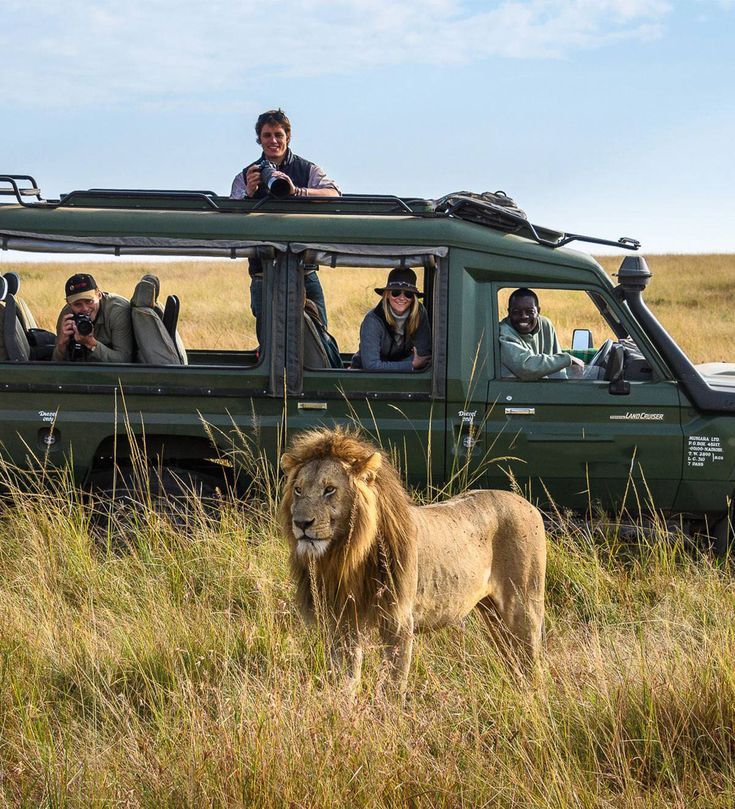
The Maasai Mara has one of the highest lion densities in Africa. Several large, well-known prides roam fixed territories, which makes them much easier to locate than in other parks.
Where to find them: Open grassland, along drainage lines, and under flat-topped acacia trees during the heat of the day. Ask your guide about the Marsh Pride near Musiara, or the Ridge Pride near Lookout Hill.
Best time: Early morning (6–9am) when they are active after a night hunt, or late afternoon (4–6pm). Midday they sleep — but still worth viewing from a respectful distance.
- Listen for alarm calls from zebra, wildebeest, and baboons — they alert you to a nearby predator
- Vultures circling low usually mean a kill nearby — lions won't be far
- Cubs are often hidden in thickets — if a lioness looks toward the grass repeatedly, cubs may be there
2 Leopard — The Ghost of the Savannah
Leopard are the hardest of the Big Five to spot — not because they are rare, but because they are masters of concealment. An experienced guide makes all the difference here.
Where to find them: In the branches of large fig trees and sausage trees, especially along the Talek and Mara rivers. Leopards hoist their kills into trees to keep them from lions and hyenas — if you see a carcass in a tree, the leopard is close.
Best time: Dawn and dusk. Leopards are almost entirely nocturnal — the golden hour windows are your best chance.
- Scan tree branches at eye level — a dangling tail or spotted flank is the giveaway
- Impala alarm calls are the most reliable leopard indicator in the bush
- A leopard that has made a kill will stay near it for 2–3 days — patience pays off
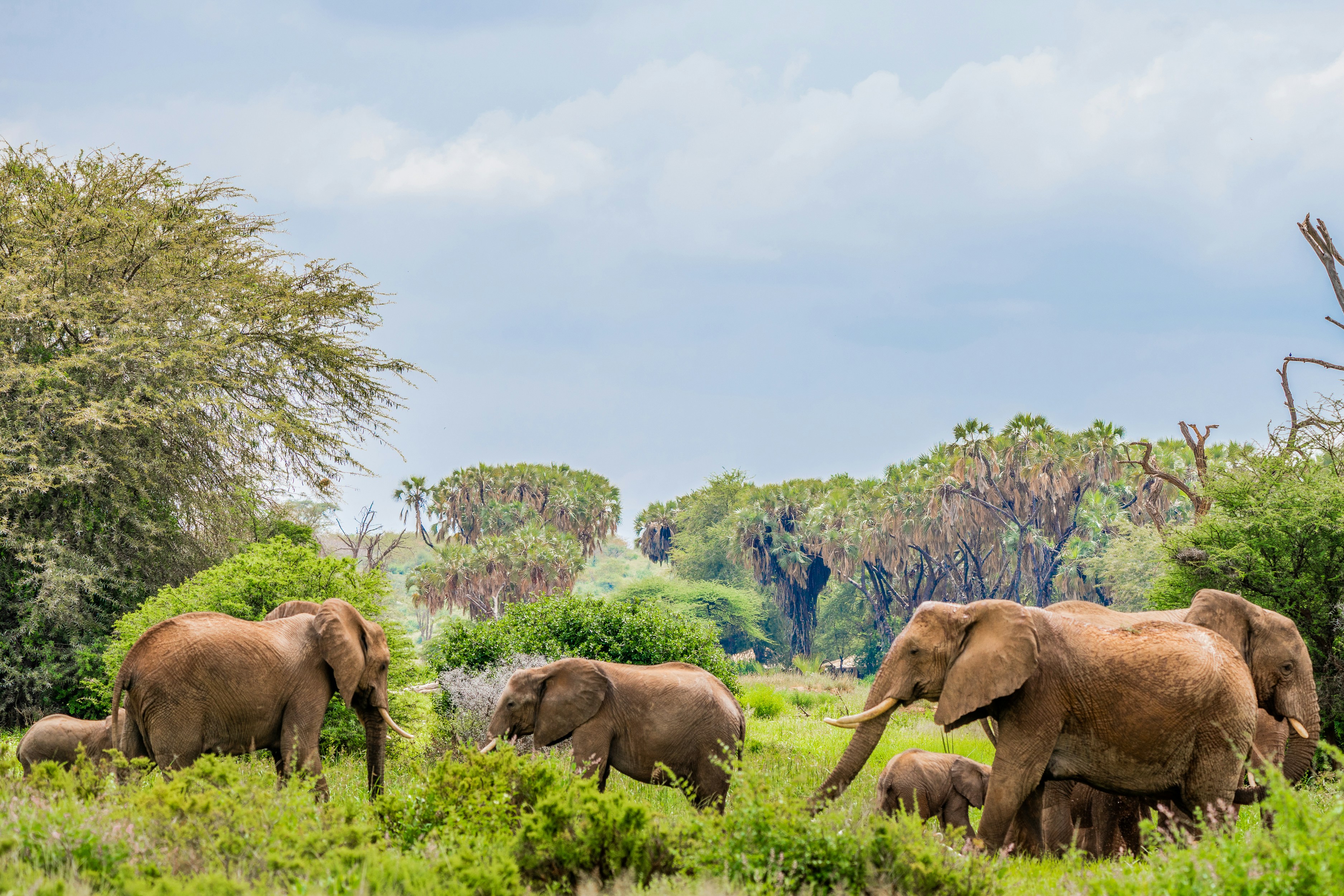
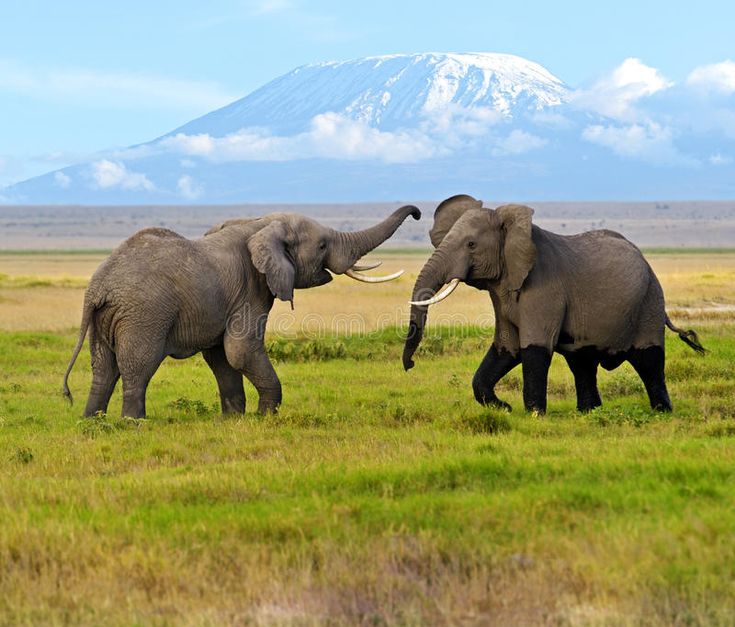
Elephant herds are a daily sighting in both the Mara and Amboseli
3 Elephant — Africa's Gentle Giants
Kenya's elephants are a daily sighting in most major parks. The Maasai Mara has large resident herds, and Amboseli is world-famous for its enormous-tusked bulls set against the backdrop of Kilimanjaro.
Where to find them: Near water sources — rivers, swamps, and waterholes — especially in the dry season. In Amboseli, the swamps around Ol Tukai attract hundreds at a time.
Best time: Morning and late afternoon when they move to water. Midday they tend to stand in shade.
- Look for fresh dung on the tracks — if it is still steaming, the herd is very close
- Give matriarchs space — a herd with calves will charge if they feel threatened
- Amboseli in the dry season (June–October) gives the best Kilimanjaro backdrops for photography
4 Cape Buffalo — The Unpredictable One
Buffalo are everywhere in the Maasai Mara — sometimes in herds of hundreds, sometimes as solitary old bulls (called "dagga boys") who are considered the most dangerous animal in Africa. Do not be fooled by their bovine appearance.
Where to find them: Open grassland, river crossings, and wallowing in mud near water. Massive herds often move together with wildebeest and zebra during the Migration season.
Best time: All day — buffalo are active throughout daylight hours unlike most large predators.
- Lone dagga boys near thick bush are the ones to approach carefully — they charge without warning
- Buffalo have excellent memory and are known to circle back and ambush perceived threats
- A herd of buffalo followed by oxpecker birds on their backs is a classic Mara sight
5 Rhino — Kenya's Rarest Prize
Rhino are the hardest Big Five animal to find in the wild, and sightings should never be taken for granted. Poaching has devastated populations across Africa — Kenya's conservation efforts have brought numbers back, but they remain vulnerable.
Where to find them: Lake Nakuru National Park is Kenya's best rhino destination — both white and black rhino in a fully fenced sanctuary with reliable sightings. Ol Pejeta Conservancy near Nanyuki also has excellent rhino viewing and is home to the last two northern white rhinos on earth.
Best time: Morning — rhinos are more active in cooler hours and tend to rest in shade midday.
- White rhino are grazers (flat, wide mouth) — found in open grassland
- Black rhino are browsers (hooked lip) — found in bushier terrain and far more elusive
- Rhino sightings in the Maasai Mara itself are very rare — Lake Nakuru is the reliable choice
Best Parks for Each Animal
- Lion: Maasai Mara, Amboseli, Tsavo
- Leopard: Maasai Mara (river areas), Samburu
- Elephant: Amboseli, Maasai Mara, Tsavo
- Buffalo: Maasai Mara (huge herds), Tsavo
- Rhino: Lake Nakuru, Ol Pejeta Conservancy
General Big Five Tips
- Start early: Be on the road before 6:30am — this is when all predators are most active
- Stay quiet: Animals hear and sense tension. A calm, quiet vehicle is always rewarded
- Trust your guide: An experienced local guide reads the bush in ways no app can replicate
- Don't rush: Slow drives and long waits beat covering maximum ground every time
- Wear muted colours: Khaki, olive, brown — avoid white, blue and bright colours that disturb animals
- Stay in the vehicle: Your vehicle is your camouflage — standing up or leaning out changes the animal's behaviour immediately
A Big Five sweep in Kenya is absolutely achievable — especially on a combined Maasai Mara and Lake Nakuru itinerary. I have guided guests to all five in a single 4-day trip many times. With the right plan and an experienced guide, your chances are excellent.