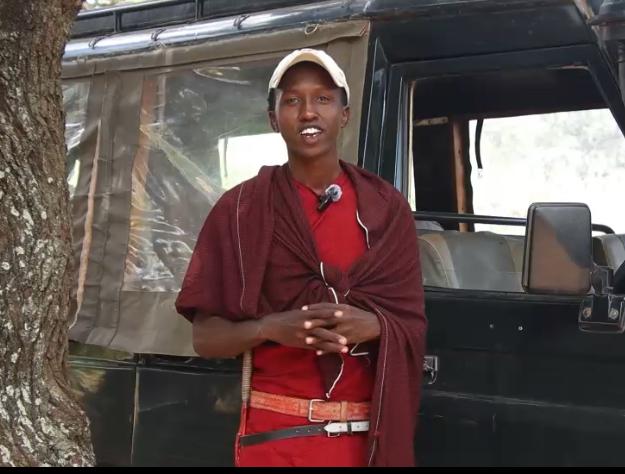
I have lived my entire life along the Mara River. I have watched the Migration arrive every single year since I was a child — the dust cloud on the horizon before you see a single animal, the sound that builds slowly from silence to a thunder you feel in your chest, the chaos and the silence that follows when ten thousand animals have crossed and the water runs red. No photograph prepares you for it. Nothing does.
This guide is not a rehash of what you can find on any travel website. This is what I know from three decades on the ground in the Mara — what actually happens, when, and what the brochures never tell you.
"No photograph prepares you for the river crossing. The sound alone — a wall of hooves, splashing, snorting — is something you carry with you for the rest of your life."
What Is the Great Migration?
The Great Wildebeest Migration is the world's largest overland animal movement. Every year, approximately 1.5 million wildebeest, 200,000 zebras, and 18,000 elands complete a roughly 800-kilometre circular journey between Tanzania's Serengeti and Kenya's Maasai Mara, following the rains and the fresh grass they bring.
The animals follow no fixed schedule. They move when the grass tells them to move. This is important to understand — there is no guarantee of witnessing a river crossing on any given day, even during the peak season. But with the right guidance, positioning, and patience, the odds are very much in your favour.
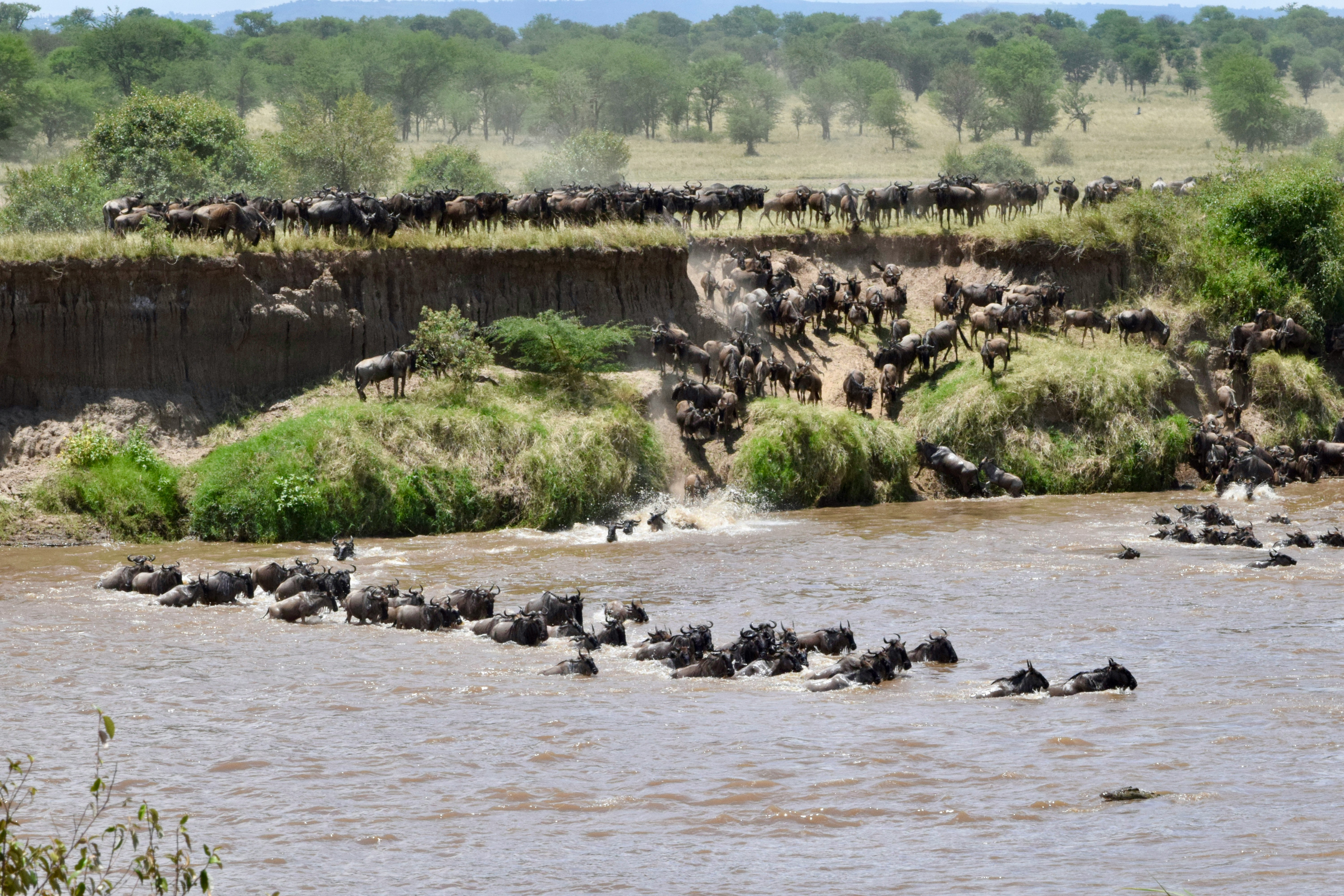
The Mara River — the most dramatic stage of the annual Migration
Month-by-Month Migration Calendar
Use this calendar to plan the right time for your visit. The Migration is present in the Mara from approximately July through to October, with peak river crossing activity typically in August and September.
The Mara River Crossings — What Actually Happens
The famous river crossings at the Mara River are what most people come to see. Here is what actually happens and what to expect on the ground.
1. The Build-Up
Wildebeest are deeply suspicious animals. A herd will gather on the riverbank — sometimes thousands strong — and spend hours pacing back and forth, testing the water, retreating, returning. This build-up can last minutes or it can last an entire day. I have sat at a crossing point for six hours watching a herd that never crossed. That is the Mara. Patience is everything.
2. The Trigger
Eventually, one animal decides. Nobody knows which one it will be or when. And when it goes in, the rest follow in an instant — a dam bursting. Thousands of animals plunge into the crocodile-filled water in a matter of seconds. The noise, the spray, the chaos, the sheer scale of it is overwhelming. This is the moment.
3. The Crossing
The Mara River holds some of the largest Nile crocodiles in Africa, many of whom have waited months for exactly this moment. During a crossing, you will witness dramatic predator-prey interactions that are simultaneously difficult and impossible to look away from. This is nature at its most honest — there is nothing sanitised about it.
4. The Aftermath
Once the herd has crossed, an extraordinary calm descends. The surviving animals graze quietly on the other bank as if nothing happened. Eagles, vultures, and marabou storks gather. The river returns to its rhythm. And then, often, the herd attempts to cross back the same day.
Crossing Hotspots in the Maasai Mara
- Musiara Crossing — the most consistent crossing point, located in the northern Mara
- Serena Crossing — central Mara, excellent vehicle access
- Lookout Hill — elevated vantage for watching herds approach
- Purungat Bridge area — eastern crossing, often less crowded
Our guides monitor crossing activity daily and position vehicles accordingly. We never take guests to a point where the view is obstructed.
Practical Tips From Our Guides
- Book at least 3 nights — one night gives you one game drive. Three nights gives you a real chance of witnessing a crossing.
- Start your drives at 6am — animals are most active at dawn, and the golden light is extraordinary for photography.
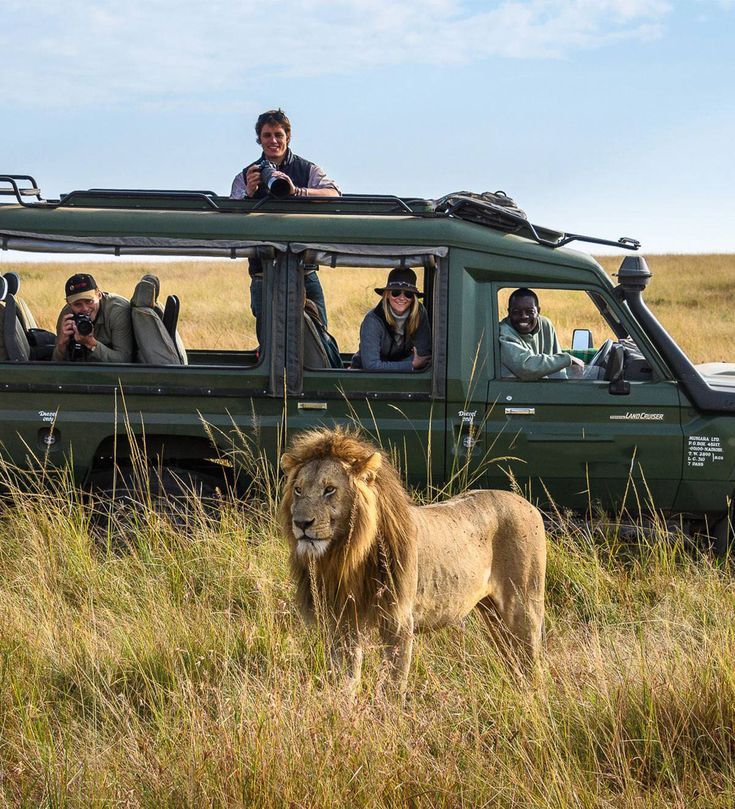
- Listen to your guide — a local guide who has watched the Migration for years knows things no app or satellite tracker can tell you.
- Stay in position — once your guide identifies a likely crossing point, stay. Do not leave. The crossing can begin within minutes of a herd arriving.
- Manage your expectations beautifully — the Migration is wild. Even if you do not witness a river crossing, the sheer density of wildlife in the Mara during this season is unlike anywhere else on earth.
- Pack for morning cold — at 6am on the Mara plains, even in August, a fleece is essential. It warms quickly, but mornings are cool.
What No Travel Agency Will Tell You
The Migration season is also the Mara's most crowded period. Some crossing points can have twenty or more vehicles gathered around a single herd. This can be both impressive (the collective energy of waiting) and frustrating (blocked views, noise disturbing the animals).
At SaitotiMara Safaris, we use our local knowledge to position vehicles early and smartly. We know which crossing points tend to attract fewer operators. We know which sections of the river the herds prefer on a given wind direction. These are things you only learn by watching the same river for thirty years.
The Migration is magnificent. Go and see it. Just go with someone who knows it the way I do.